Using the Game
Modes of Play and Objectives Supported
WHO PLAYS THE GAME AND WHAT OBJECTIVES ARE SUPPORTED?
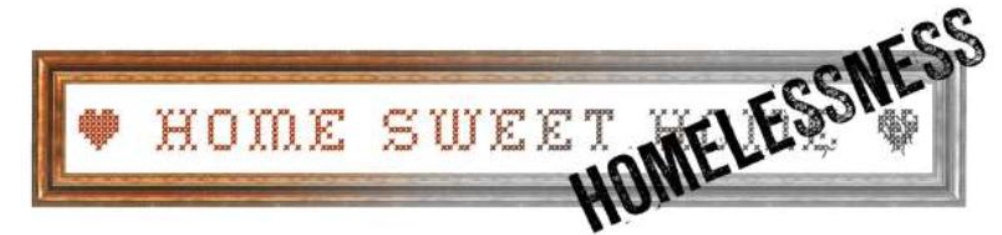
At Home Sweet Homelessness, our mission is to narrow the social distance between those with homes and those without. The objectives toward this mission are met to different degrees depending partially on the housing status of those playing the game.
- With and Without: Most powerful results occur when those with homes and those without play the game together. Most often this is a matter of those without homes being recruited to play as “Game Guides” with church or civic groups, schools, libraries, hospitals, courts, etc. who provide services to clients including those without homes. It is also a matter of housed individuals or groups who bring the games into shelters, soup kitchens, or other places where there are many without homes. Finally it is commonly used to train, orient, and effectively engage new volunteers and staff.
- With homes:
- Limited or no experience: since the game was designed as a “homeless simulator” by the guests of the shelter, its play by those with homes is effective. Play is eye-opening, engaging heads and hearts.
- Extensive experience: often the games are played by groups of people engaged in serving those impacted by lack of stable housing, with significant knowledge of the realities of homelessness. Because they can identify with people they’ve served, they can be more strongly impacted than those with limited or no previous contact, and the game has more effectiveness.
- Without homes: the design of the game was, after all, among guests of a shelter! It is not surprising that as they played the game with others in the shelter. Including incoming guests, that its effectiveness showed in particular areas that affirmed their dignity and helped them relate positively to each other as resources and collaborators in moving forward.
Modes of Play and the degree of objectives supported:
| Objectives / Players with homes? |
With & Without |
With homes |
Without homes |
| Awareness of homelessness in those with homes |
XX |
X |
|
| Mutual respect between housed/homeless |
XX |
||
| Empathy for those without homes |
XX |
X |
XX |
| Impact on attitudes toward housed/homeless |
XX |
X |
|
| Closing social distance between housed/homeless |
XX |
X |
|
| Challenging stereotypes |
XX |
X |
X |
| Enjoyment of playing the game |
XX |
X |
X |
| Opportunity to share experiences |
XX |
X |
X |
| Orientation for service relationships |
XX |
X |
|
| Increase potential for future befriending housed/homeless |
XX |
X |
|
| Building positive relationships among those without homes (in or out of shelter) |
X |
XX |
|
| Affirming the dignity of those without homes |
XX |
X |
XX |
Purchase Products
Connect With Us